
Loyalty’s $7 Billion IOU Problem
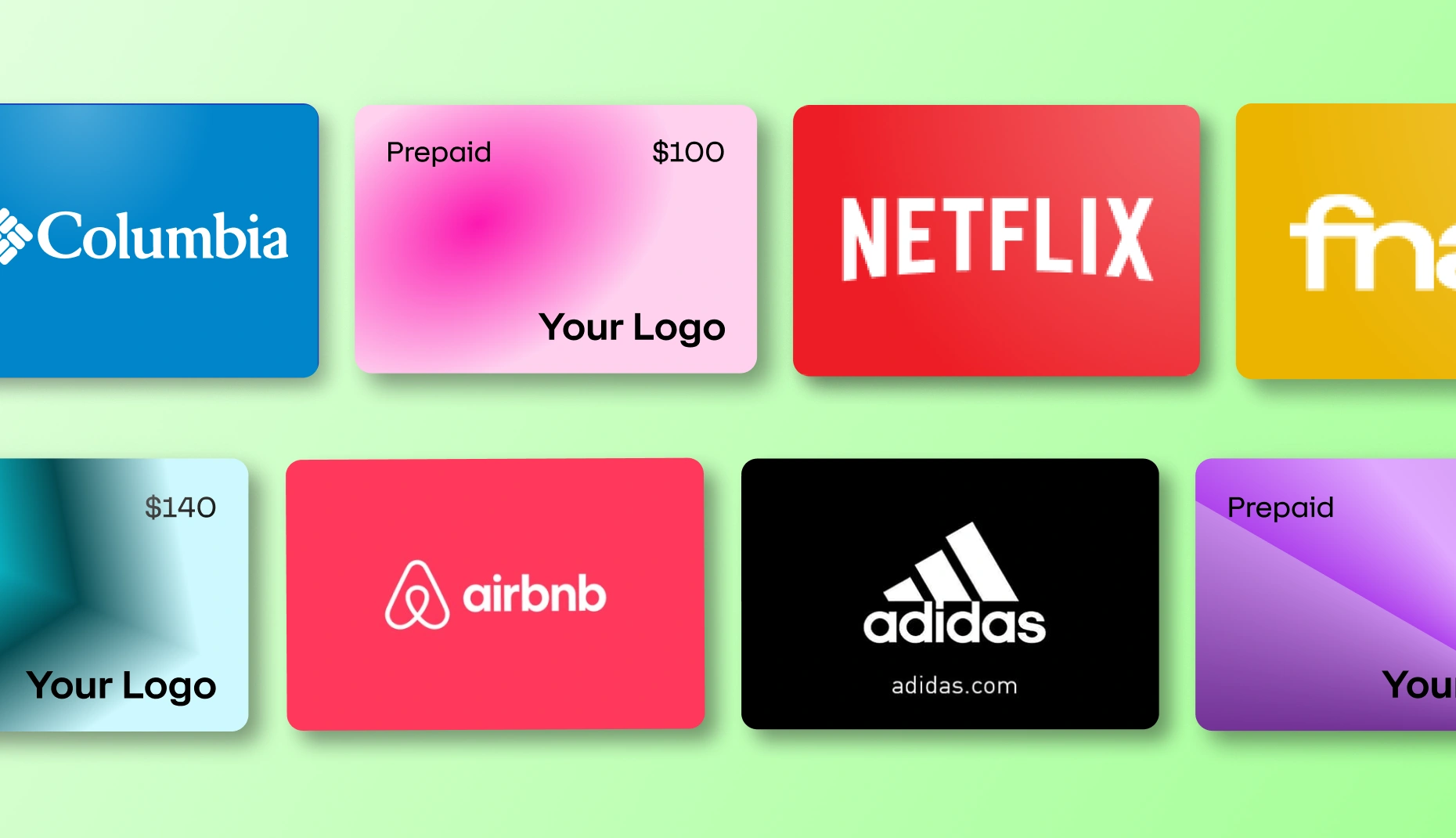
At Runa, we see thousands of reward redemption moments across loyalty programs, and one pattern keeps showing up: gift cards are essential, but they are not always enough.
The quiet part many programs do not say out loud is that a gift-card-only catalog can still leave members with value they do not know how, where, or when to use.
Marriott and Hilton are carrying nearly $7 billion in unredeemed loyalty points between them, according to Skift’s April 2026 reporting. That’s not a niche balance-sheet line. It’s a signal: members are earning faster than they’re spending, and the redemption options they’re being offered don’t close the gap.
The reflex is to blame the catalog. Add more brands. Chase the missing retailer. Expand the reward shelf again.
But most mature programs already offer hundreds of gift card options. The gap is not always breadth.
It is flexibility.
Gift cards solve one part of the redemption problem: helping members turn points into value at brands they already know and want. But they do not solve every redemption moment. Sometimes the member does not know where they want to spend yet. Sometimes their needs change. Sometimes the value they have earned does not neatly match what they want from one merchant.
That is where gift-card-only redemption can turn earned value into stuck value.
Gift cards are choice. Prepaid is flexibility.
Gift cards give members choice: pick a brand you already like.
That works beautifully when intent is clear. The member wants coffee, groceries, travel, entertainment, or a specific retailer. They know where the value should go, and the gift card helps them get there.
But not every redemption moment starts with that level of certainty.
A member may not want to lock a $25, $50, or $100 reward into one merchant before they know what they need. A parent might think they want a restaurant gift card, then realize the value would be more useful for school supplies. A traveler might redeem before a trip, then find the more useful expense is a rideshare, a pharmacy stop, or a forgotten charger. A member might simply want to keep the value open until the right purchase comes up.
Research from The Wise Marketer and Engage People found that 96% of consumers value control over when and where they redeem rewards points. That’s not a rejection of gift cards. It’s a signal that members want both brand choice and spending control.
This matters because loyalty programs do not just compete on whether members can redeem. They compete on whether redemption feels useful once the member has made the choice. That is especially true as consumer loyalty expectations continue shifting toward value, relevance, and utility.
The $10 reward test
A member may have enough value to redeem, but not enough to make one merchant choice feel worthwhile. Or they may have to split their value across one or two gift cards, then hope those choices still match what they need later.
That is not a catalog problem. It is a redemption design problem.
A gift card asks the member to decide where the value belongs upfront. Once that decision is made, the value is tied to that merchant.
Small-value rewards expose the problem fastest.
Picture a member with a $10 reward to redeem. A $10 gift card to a brand they do not visit often may become a forgotten browser tab. It is technically redeemed, but practically unused.
A $10 prepaid card has more ways to become useful. It can cover a coffee, contribute to a subscription, offset a small purchase, or sit ready for the next everyday expense.
Same reward value. Very different odds of feeling useful.
That is where dormant balances often begin: not with massive rewards, but with small amounts of value that do not quite fit the available redemption options.
The member earned the value. The program issued the value. But if the reward does not match the way the member wants to use it, the value can still sit idle.
Prepaid cards gives the member more room to move.
It lets them redeem value without forcing an early commitment to one brand. The reward can still become coffee, groceries, a subscription, a rideshare, or whatever need shows up next. The point is not that members want to micromanage every dollar across multiple merchants. The point is that they do not always want to make the merchant decision before they know where the value will matter most.
The goal is not to replace gift cards
This is not an argument against gift cards.
Gift cards are still one of the strongest redemption options in loyalty because they connect reward value to brands people already trust, recognize, and enjoy. They create affinity. They support merchant partnerships. They help programs build catalogs that feel familiar and compelling.
The problem is assuming gift cards can carry every redemption moment on their own.
Some members want brand-specific value. Some want flexible value. Many will want both depending on the day, the reward amount, and the purchase they have in mind.
That is why the strongest loyalty programs should not think in terms of gift cards versus prepaid. They should think in terms of redemption fit.
Gift cards are the right rail when the member knows the brand.
Prepaid is the right rail when the member wants to keep the value open.
Together, they help programs capture more redemption moments without forcing every member into the same kind of choice.
The honest tradeoff
Prepaid is not free upside. It introduces decisions loyalty teams need to make deliberately.
1. Breakage economics: Some programs quietly rely on unredeemed points or unused balances as part of the financial model. But higher redemption is not just a cost. It can also be a signal of stronger member engagement, better perceived value, and a healthier loyalty experience. Short-term breakage can easily become long-term liability, accounting exposure, or reputational drag if members feel value is difficult to use.
2. Brand surface: A prepaid card can feel less branded than a merchant gift card if the experience is not designed intentionally. Card art, delivery, activation, and redemption flows all matter. If prepaid is added as a generic card experience, it may solve flexibility while weakening the program experience.
That is why the question is not simply, “Should we add prepaid?”
The better question is, “How do we add prepaid in a way that increases member flexibility without creating operational or brand fragmentation?”
What to ask before adding prepaid
Adding prepaid can make a loyalty program more flexible, but the way it is added matters. A second reward rail should not create a second operating model.
Before adding prepaid, loyalty teams should ask:
- Will this create another vendor relationship?
A new payout type should not automatically mean another contract, integration, support path, and reconciliation process. If prepaid sits outside the existing reward infrastructure, the member experience may improve while the team experience gets harder.
-
Can prepaid and gift cards run side by side?
Prepaid should complement the gift card catalog, not compete with it. The goal is not to push members away from gift cards. The goal is to give them another option when a brand-specific reward does not fit the moment.
-
Can the experience stay branded?
Open-loop value can feel generic if the program does not control the experience around it. Loyalty teams should consider whether the card art, delivery flow, activation experience, and surrounding communications can still feel like part of the program.
-
Will reporting and support stay unified?
If prepaid creates separate reporting, separate support processes, or separate operational workflows, the reward stack becomes harder to manage. Teams should understand how prepaid will affect reconciliation, customer support, finance operations, and program reporting before launching it.
-
Can the platform scale both rails through one integration?
The strongest setup is not gift cards or prepaid. It is both, delivered through infrastructure that keeps the reward stack unified.
The infrastructure case
The strategic case for prepaid is simple: members do not always want to lock their reward into one merchant before they know what they need.
The operational case is more specific: prepaid works best when it can be added without splitting the reward stack.
With Runa, loyalty platforms can offer gift cards and prepaid through the same API, ordering flow, reporting model, and support path. That means programs can expand member flexibility without adding a separate vendor, parallel integration, or disconnected support process.
More redemption choice for members. Less fragmentation for the team.
That is the real opportunity: not replacing gift cards, but giving loyalty programs a second rail for the redemption moments gift cards were never meant to solve.